


Elevating Corporate Visuals: The Business Case for Aerial Filming Across Surrey
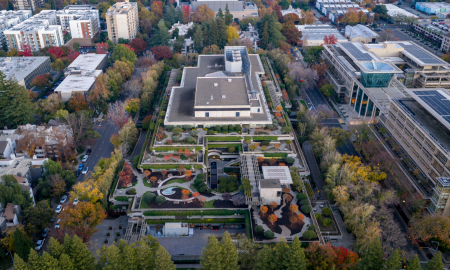
Aerial video gives businesses a clear way to show scale, location and context within a few seconds. Across Surrey, that can mean revealing a commercial development beside key transport links, presenting the grounds of a hotel, or showing how a large corporate site operates. Used with purpose, these images strengthen business films without overwhelming the message.
The value comes from combining impressive footage with a sound communication plan. Every shot should help the viewer understand something about the organization, its facilities or its work.
Showing the scale of your business
Ground-level filming can capture people, products and individual spaces well, but it may struggle to communicate the size of a site. An elevated view can establish the relationship between offices, production areas, parking and surrounding infrastructure in one concise sequence.
This makes aerial footage useful for commercial property marketing, investor presentations and company overview films. Examples of aerial cinematography uses include establishing locations and adding visual context to marketing content.
Scale needs a reference point to mean something. Including nearby roads, buildings or people helps viewers understand the dimensions they’re seeing.
When aerial filming earns its place
Commission aerial footage when the location itself supports your message. A Surrey hotel might want to show its gardens and access routes, while a construction firm may need scheduled footage that records progress across a large development. An office campus could use it to explain where facilities sit in relation to one another.
Professional aerial filming is especially relevant when you need high-quality 4K material captured by CAA-certified operators for corporate, commercial or property video.
Before booking a shoot, write down the three facts the footage must communicate. That short brief will help the production team choose useful movements and angles instead of collecting attractive shots with no clear role in the finished film.
Building a stronger corporate story
An aerial sequence works best as one layer in a broader narrative. Start with a wide view to establish the location, move closer to the building and then cut to staff, customers or daily operations. This progression takes the audience from the organisation’s physical setting to the people behind it.
Current thinking on corporate storytelling also highlights how elevated footage can add context and production value to business communications.
Keep these sequences brief. Five to eight seconds may be enough to establish a Surrey headquarters before the film moves indoors. Longer shots should reveal new information, such as the layout of a development or movement across an active site.
Planning for a productive shoot
Good results depend on preparation because outdoor filming is affected by weather, light and local operating conditions. Share the exact address, preferred viewpoints and intended use of the video with the production team early. They can then assess the site and identify practical constraints.
Create a priority list in case conditions change. The essential shot might be a clear view of the main building and entrance, while secondary material could include landscaped grounds or surrounding roads. Filming near the beginning or end of the day may produce softer light, though business activity and access also need consideration.
Tell staff when filming will take place and check that branded areas look tidy. Vehicles, temporary signs and outdoor storage can become surprisingly prominent from above.
Getting more value from every sequence
Plan several outputs from the same material. A wide establishing shot may open a two-minute company film, appear briefly in a recruitment video and supply a short clip for a social media post. Your editor can also create versions suited to landscape and vertical formats if this requirement is included from the start.
Think carefully about longevity. Seasonal decorations, temporary banners and dated site signage can shorten the useful life of a shot. Cleaner views often remain suitable for future campaigns, event screens and internal presentations.
The strongest final edit will use each aerial sequence to answer a practical question: where is the organisation, how large is the operation, or what makes the setting distinctive? If a shot cannot answer one of those questions, it probably doesn’t need to stay.
Image source: Leo_Visions via Unsplash.

