


Modernizing Workplace Amenities: The Business Case for Automated Digital Vending Equipment
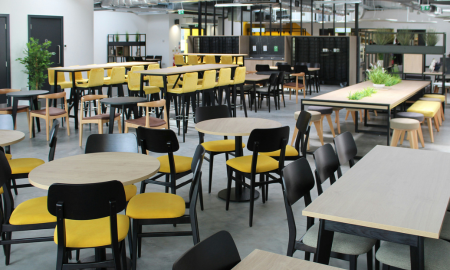
Workplace amenities shape the daily employee experience in practical ways. When people can buy lunch, snacks, and everyday essentials without leaving the building, breaks become easier to manage, and workplaces lose less time to off-site trips. Automated digital vending also gives employers a flexible service that can operate beyond standard canteen hours.
For businesses reviewing their facilities, the case rests on more than convenience. Connected equipment can improve product availability, reduce operating effort and provide useful data about what employees actually buy.
Why traditional workplace vending falls short
Traditional vending machines often provide a limited range of products, accept only a few forms of payment and give facilities teams little insight into stock levels. Problems may remain hidden until somebody reports an empty row or a payment fault. That reactive model creates unnecessary work and leaves employees disappointed.
A connected machine can report stock and operating data remotely. Instead of checking every location on a fixed schedule, an operator can see which products need replenishing and plan visits around genuine demand. This is particularly useful for businesses with several floors, buildings or regional sites.
Older machines can also struggle to reflect changing workplace habits. Hybrid working causes demand to rise and fall across the week, while shift workers may need food at times when staffed facilities are closed. Digital vending supports a more responsive service because product ranges, prices and on-screen messages can be updated as needs change.
Building the business case
Start with the problem your workplace needs to solve. A large office might want to shorten lunchtime queues, while a warehouse could need round-the-clock access to meals for different shifts. In a smaller workplace, the priority may be offering a useful amenity without the staffing and overheads of a full canteen.
When comparing automated digital vending equipment, look at the full operating model. Relevant factors include machine capacity, refrigeration needs, cashless payment options, remote monitoring and the frequency of restocking. The best format depends on the available space and the number of people expected to use it.
Estimate current hidden costs as well. If 60 employees each spend an extra 10 minutes leaving the site for refreshments twice a week, that adds up to 20 working hours. The calculation doesn’t suggest that every saved minute becomes productive time, but it does show the scale of avoidable disruption. Reports on office wait times also highlight how modern vending can reduce queue times during busy breaks.
What employees expect from a modern service
Cashless payment has become a basic expectation. Employees should be able to pay quickly with a contactless card or compatible mobile device, without searching for coins or downloading an unfamiliar app for a single purchase. Clear pricing and a straightforward refund process matter just as much.
Choice also influences adoption. A machine filled with similar snacks will have limited appeal, especially if it serves a large and varied workforce. A balanced range could include breakfast items, sandwiches, salads, hot and cold drinks, and small essentials people often forget. Sales data can then show which lines deserve more space and which ones regularly remain unsold.
Touchscreens can display ingredients, allergen information and product details more clearly than a small printed label. Among the commonly discussed smart vending features are remote monitoring, interactive displays and digital payment support. Accessibility should form part of the assessment too, including screen height, readable text and enough space around the unit for comfortable use.
Data turns an amenity into a managed service
Connected vending gives facilities teams a clearer view of performance. Sales can be examined by product, time and location, helping the business understand how demand changes throughout the day. For example, breakfast products may sell strongly between 7 am and 9 am at an operational site, while an office could see its main rush shortly after midday.
That information supports better stock decisions. If vegetarian lunches sell out by noon every Tuesday, the operator can increase the allocation for that day. If a product repeatedly expires, the next order can be reduced. More accurate stocking can improve availability and cut food waste at the same time.
Set a small number of measures before launch so the data remains useful. These might include product availability, transaction volume, waste, reported faults and average response time. Review them monthly during the initial trial. Employee feedback adds context to the figures, since low sales may reflect poor placement or an unsuitable range rather than a lack of demand.
Data handling also deserves attention. Ask suppliers what information is collected, who can access it, and how long it is retained. Payment systems should come with clear security responsibilities and support arrangements.
Plan the rollout around real workplace habits
A short pilot can reveal more than a lengthy discussion. Choose one suitable location, establish baseline figures and run the service long enough to cover normal variations in attendance. Eight to twelve weeks will usually provide a more representative picture than a brief launch period dominated by curiosity.
Placement has a direct effect on use. Select a visible, well-lit area near existing break spaces or common routes, while avoiding narrow corridors where queues could cause an obstruction. Check power, connectivity, ventilation and delivery access before installation. Someone should also own the internal process for reporting faults and passing feedback to the service provider.
Communicate what the equipment offers, its opening hours and how employees can request new products. Then adjust the range in response to sales and recurring comments. A night shift may favour substantial chilled meals, for instance, while daytime office users may buy more coffee and quick lunches.
The strongest rollout decision will be grounded in a specific workplace pattern: where demand occurs, when staffed services are unavailable, and which products people struggle to access. Once those points are clear, the technology can be assessed against a real operational need, and the pilot can be judged on measurable results.
Image source: Ceba Solutions via Unsplash.

