


How to Protect Business Assets From Supply Chain Risks
In today's global economy, no business operates alone. Delivering products and services relies on a complex network of suppliers, manufacturers, and logistics partners. This supply chain, while driving efficiency and growth, also brings significant risks. Protecting your business assets as they move through this network isn't just about security; it's essential for stable operations and financial health.
Understand Where Supply Chain Risks Come From
A supply chain covers every step needed to get a product from its raw state to the customer. This includes sourcing materials, manufacturing, transportation, and storage. Each part of this chain can be a point of failure. Modern supply chains are often long and spread out across many countries and legal systems, which makes them more vulnerable to disruptions.
Events like geopolitical instability, trade disputes, natural disasters, and pandemics can break critical links without warning. The goal of supply chain risk management is to spot these potential threats and put strategies in place to lessen their impact. A weakness in one area, such as a sole supplier running into financial trouble, can create a domino effect that cripples your entire operation.
Find Where Your Assets Are Most Exposed
To protect your assets, you first need to know where they face the most risk. The basic types of supply chain risks can be grouped into several main areas. Financial risks come from currency changes or a supplier going out of business. Strategic risks involve making bad decisions about outsourcing or adopting new technology. However, for physical assets, the most immediate dangers are often operational.
These operational risks include:
- Transportation: Goods can be stolen, damaged, or lost while being moved by road, sea, or air.
- Warehousing: Stored inventory is at risk from theft, fire, water damage, and improper handling.
- Supplier Failure: If a key supplier doesn't deliver on time or meet quality standards, it directly affects your assets and production schedule.
- Cyber Threats: Digital systems that manage logistics and inventory can be attacked, leading to data loss and operational chaos.
Strengthen Asset Protection Across the Supply Chain
Once you've identified your main risk points, you can put specific measures in place to protect your assets. This involves physical security, procedural controls, and managing your suppliers. For goods being moved or stored, simple physical deterrents work very well. Using tamper-evident security seals on containers, vehicles, and storage units provides a clear visual sign that the goods have remained protected throughout the journey. If a seal is broken or missing, it immediately alerts the team that the shipment or storage area needs to be checked before anything moves forward.
Beyond physical measures, procedural controls are crucial. This means thoroughly checking logistics partners and employees, having clear inventory tracking rules, and regularly auditing stock levels. Make sure you have strong insurance policies that cover goods in transit and storage, providing a financial safety net against unexpected losses.
Use Technology to Improve Supply Chain Visibility
Technology offers powerful tools to improve supply chain visibility and security. Modern businesses can move past just reacting to problems and use data to anticipate and prevent issues before they happen. GPS tracking devices give real-time location data for shipments, letting you monitor progress and get alerts for unexpected changes or delays.
Inventory management software gives you a clear, central view of stock levels across all locations, reducing the chance of running out of stock or having too much. More advanced platforms use artificial intelligence and machine learning to analyse past data, predict demand changes, and even spot potential supplier problems based on performance. This data-driven approach helps you make smarter, proactive decisions to keep your assets safe.
Build a More Resilient Supply Chain
Effective asset protection is part of a bigger goal: building a resilient and efficient supply chain. Resilience means being able to handle disruptions and recover quickly. A truly resilient strategy goes beyond just protecting what you have; it focuses on creating a flexible and adaptable network. When businesses improve visibility, reduce delays, and prevent avoidable losses, they can also cut supply chain costs without sacrificing reliability or service quality.
Key parts of a resilient strategy include:
- Supplier Diversification: Don't rely on just one supplier for critical parts. Building relationships with several partners in different regions reduces your exposure to local disruptions.
- Strategic Buffers: While lean inventory is efficient, keeping a strategic buffer of critical stock can be the difference between a small problem and a complete shutdown.
- Contingency Planning: Create clear action plans for different risk scenarios. Know who is responsible for what and what steps to take if a key supplier fails or a major shipping route closes.
Protecting your assets requires a proactive, multi-layered approach. By understanding your vulnerabilities and using a mix of physical, procedural, and technological controls, you can build a supply chain that is not only efficient but also secure and resilient.
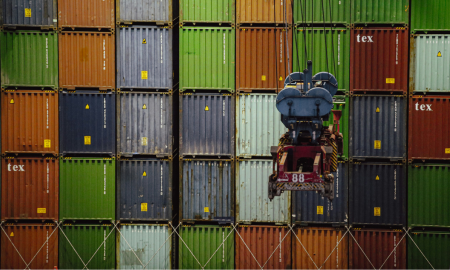
Image source: Bernd Dittrich via Unsplash.

