


Investing Wisely: Equipment for Food Startups
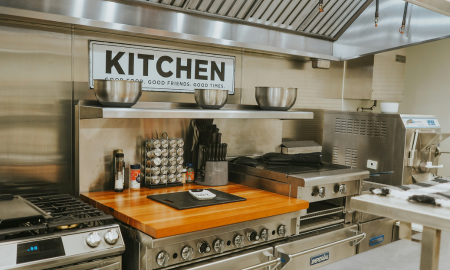
Starting a food business is exciting, but getting it right often comes down to making smart choices with your first big buys. And topping that list? Your equipment. The right machines don't just help you make your product; they also make a huge difference in how efficient you are, how good your stuff is, and how much money you make down the road. Nailing these decisions early on can really set your business up for success.
Assessing Your Startup's Equipment Needs
Before you spend any money, you'll want a detailed list of every single piece of equipment your business needs to run. Don't just think about the obvious things. Instead, walk through your whole process in your head, from when you get your ingredients to when you package the finished product. For example, a small bakery would probably focus on ovens, mixers, and proofing cabinets. But a new charcuterie business would need special commercial butchery equipment, smokers, and curing chambers.
As you make your list, think about a few things for each item:
- Capacity: How much stuff do you need to make every hour or day to hit your profit goals?
- Footprint: How much space will this machine actually take up in your place?
- Utilities: What kind of power, water, and ventilation does it need?
Thinking through these key factors to consider will help you put together a realistic equipment plan that actually works for your business and your space.
New Versus Refurbished Options
One of the biggest choices you'll face is whether to buy brand-new or refurbished equipment. New machines come with a manufacturer's warranty, the latest tech, and the comfort of knowing no one else has used them. But all that comes at a high price, which can really stretch a startup's budget.
Refurbished or used equipment can save you a ton of money, freeing up cash for other important things like marketing or buying ingredients. The trade-off is you might not get a warranty, and there's a chance you could inherit problems from the last owner. If you go this route, it's important to buy from a reputable dealer who services and tests their items. A detailed guide to buying restaurant equipment can help you figure out what makes the most sense for your specific situation.
The Value of Long-Term Reliability
The price tag isn't the whole story. A cheaper machine that's always breaking down will end up costing you way more in lost production and repair bills. For a food startup, downtime is a nightmare. It doesn't just stop your money coming in; it can also hurt your reputation with early customers if you can't get orders out.
When you're looking at equipment, don't just stare at the price. Think about the total cost of owning it. Check out the brand's reputation for how long their stuff lasts. Read reviews from other business owners and ask potential suppliers about how long the equipment is expected to last and what common maintenance issues pop up. Buying reliable, well-built machines from the start is an investment in keeping your business running smoothly and steadily.
Budgeting for Maintenance and Support
Your equipment budget shouldn't stop at the purchase price. You also need to plan for ongoing maintenance, repairs, and support. Just like your car, commercial food equipment needs regular check-ups to work its best and stay safe. Put aside some money in your operating budget for routine maintenance, replacement parts, and any emergency repairs that might pop up.
Many suppliers offer service contracts that can give you predictable costs and priority service. These can be especially helpful for startups, because an unexpected big repair bill could really hurt. Talk about these options with your equipment provider before you buy. Knowing the full cost of keeping your machines running is a key part of smart financial planning.
Finding the Right Equipment Partner
The company you buy your equipment from is almost as important as the equipment itself. A good supplier isn't just trying to sell you something; they're a partner in your success. Look for a company that really knows the industry and can give you expert advice on the best solutions for your specific needs and budget.
An ideal partner will offer full support, including installation, training for your team, and quick after-sales service. They should have a solid reputation and be able to give you references from other businesses. Building a strong relationship with a reliable equipment supplier gives you a valuable resource to lean on as your business grows and your needs change.
Picking the right equipment is a fundamental step that sets the stage for how efficiently your startup will run. By carefully looking at what you need and focusing on long-term value, you can make an investment that keeps paying off for years.
Image source: Barbara Burgess via Unsplash.

