


How SMEs Can Reduce Shipping Costs In 2026
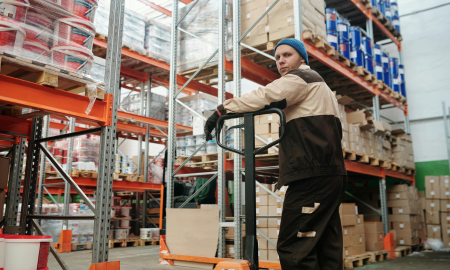
Shipping has changed dramatically over the last few years. Smaller businesses are no longer required to accept excessive courier prices, extended delivery times, and inflexible contract terms simply to get their goods moved efficiently. Companies that operate effectively see logistics not as a backroom administrative function but as an integral component of the overall customer experience.
Businesses don’t need to sacrifice speed or reliability to reduce costs. Technology, use of digital freight platforms, and improved decision-making about fulfillment have allowed small businesses to compete with the logistical capabilities of significantly larger competitors. Those who recognise these trends are experiencing improvements in gross margin, customer retention, and daily operations.
Smarter Booking Platforms Are Changing Everything
One of the most important developments in logistics is the emergence of digital freight platforms. These allow businesses to book multiple carriers, arrange collections and manage deliveries all from one platform instead of having to spend countless hours calling individual carriers. This has opened up the possibility for many smaller retail and wholesale businesses that were unable to get competitive pricing due to a lack of scale.
In addition to being more efficient, digital freight platforms provide greater transparency and less surprise. A business owner can track their shipments in real-time and eliminate some of the frustration that comes from poor communication. Many growing businesses are utilising pallet delivery services so they can ship large quantities more efficiently while keeping transportation costs in line. It allows them to access freight networks that would have otherwise been out of reach.
Warehousing Is Becoming More Flexible
Many businesses waste money due to poorly placed inventory. Many SMEs now store their inventory close to their customer base; this way, they do not rely on a central location for all their storage.
Regional fulfilment has become an increasingly popular choice for those who operate solely online or sell larger items. As regional fulfillment provides shorter routes for delivery vehicles, it provides lower fuel expenses and faster delivery times. All these advantages improve the overall satisfaction of the customer with your business.
Regional fulfilment helps businesses avoid last-minute express shipments at expensive rates. Many businesses incur significant expenses from panic shipping.
Packaging Has Become A Cost Saving Tool
Packing was once viewed as just a marketing tool. Today, it plays an important part in how efficiently a business ships its products.
When boxes are oversized, they take up valuable space in trucks and naturally increase transportation costs. Companies today are taking advantage of precision in box dimensions, box material, and packing techniques.
Many companies are even changing the design of their products to stack and pack better.
It is also important to note that lighter packaging helps businesses cut shipping costs. As carriers put a heavy emphasis on volumetric weight pricing, a slightly smaller package will yield significant savings annually to those businesses shipping at high volume.
While protecting merchandise is still an important aspect of packaging, the best companies are finding ways to balance protection with functionality. Damaged merchandise remains one of the “hidden” cost factors affecting the long-term profitability of many businesses.
Better Data Leads To Better Decisions
Most small and medium enterprises (SMEs) continue to use old habits when making decisions concerning how their goods are shipped. Businesses making smart decisions rely heavily on data.
Data collected from shipments is now revealing patterns that could not be easily seen before. Using this data, businesses can determine which products are costing them the most to ship, where they need to cut down on deliveries to certain areas, and who their “go-to” carriers should be during busy times.
This new level of business awareness allows businesses to adjust their prices, find alternative ways to fulfil orders, and even decide if there needs to be some changes made in the products that are being sold. This newfound knowledge also makes it easier for businesses to get better deals with their carriers as they know exactly how much they are shipping and why.
Why Efficient Logistics Matters More Than Ever
Shipping in 2026 is far more flexible than many businesses realise. Technology, freight networks, and fulfilment strategies were only available to large retailers. Today, smaller companies have access to these same tools and resources and are using them to build systems and processes that allow them to grow their sales and increase profitability.
Businesses that are achieving the greatest success are looking at all of the little things that add up quickly. As long as SMEs are willing to challenge their way of thinking, shipping can go from a major burden to a competitive advantage.
Image source: Tiger Lily via Pexels.

