


The Layers Of Comprehensive Fire Safety Compliance
Fire safety compliance isn’t just a legal requirement for all businesses; it’s a critical responsibility and vital way to keep your workplace safe. Whatever size your business, whatever industry, and no matter how many employees you have, it’s worth knowing how to address fire risks not only to avoid the penalties if you fail to, but to build a work environment that feels reliable, safe, and trustworthy.
Assessing The Dangers
Fire risk assessments are one of the most important office safety checks that you can make. They involve identifying the potential hazards, evaluating the likelihood of a fire happening due to those hazards, and working out who might be most at risk. All workplaces, including office environments, have potential sources of ignition, combustible materials, and potentially dangerous workplace processes, and identifying those is the first step to working out which control measures should be placed where.
Jumping Into Action With Alarms
Early detection and rapid response are some of the vital keys to a good fire safety plan. Smoke detectors and heat sensors need to be spaced throughout the workplace, making sure that they’re able to detect danger from not just the most likely spots but across the whole building. When connected with fire alarms that are designed to be both audible and visible, they can help your team jump in to take control of the situation more effectively.
The Tools To Fight Fire
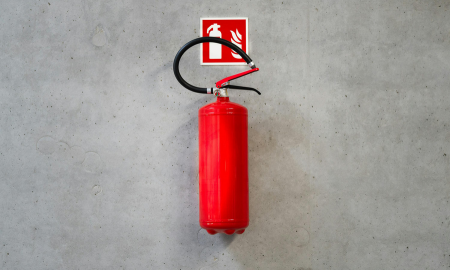
In some cases, your team may be able to control the incident before it has the chance to escalate. Populating the site with the right firefighting equipment, such as fire extinguishers suited to different types of fires, fire blankets, and hose reels, can help you do just that. You may also want to consider automatic sprinkler systems as an added layer of protection, especially if there’s a risk that a fire may start even when no one is present. Regular inspections and servicing are vital to ensure everything is in working order.
Always Have An Exit Route
Clear and well-maintained exit routes are critical for a safe evacuation when a fire emergency arises. Make sure that escape paths are unobstructed, properly lit, and clearly signposted so that they can be identified and followed. Fire doors and fire curtains can offer additional protection, slowing the spread of flames and smoke. This can not only safeguard escaping employees but also help to compartmentalise the damage until the emergency services get there.
Staff Training Is Crucial
All of the tools mentioned above work a lot better with a team that knows how to make the best use of them. Fire safety training for your team should involve drills that go through the steps of evacuation, how to make use of the fire-fighting equipment available when it’s appropriate, and the specific roles that individual team members should take on for an organised approach. A culture of fire safety awareness also makes your staff more likely to recognise and address risks when they emerge, too. If you’re booking your people onto fire safety awareness training, don't forget to complement it with Madeleys First Aid Plus training, too. You need to ensure that you are on top of health and safety in general and the more people you have first-aid trained, the better.
Effective fire safety isn’t just about ticking boxes; it’s about creating a comprehensive and layered approach that ensures you’re aware of the risks, equipped with the tools necessary to address them, and prepared with the help of a workforce that knows how to act should an emergency arise.
Image source: Jakub Zerdzicki via Pexels.

